4 Different Types of Makeup Remover – Knowing the Best One for Your Own Skin Type

By Violet Chen
August 26, 2019

Taking off your makeup after a long and tiring day is an essential step to keep your skin healthy and youthful. However, are you really applying the appropriate makeup remover that works best for your own skin type? Before answering this question, we need to understand the true differences among various products.

  • Makeup Remover Balm

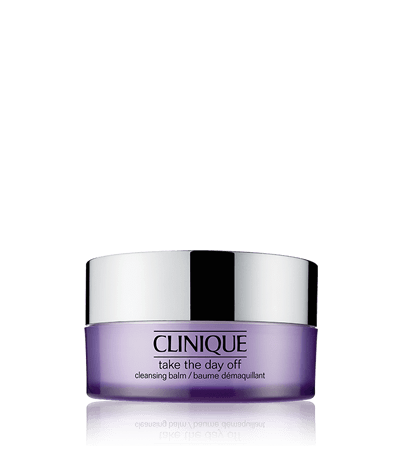
Having a combination and sensitive skin type, cleansing balm is my everyday essential. The biggest reason I choose cleansing balm over other types of makeup remover is its gentle texture. It completely removes my daily makeup without irritating my skin and acnes. It requires certain amount of time to be emulsified. However, I myself enjoy the process and treat it as a chance to give my face a massage. My personal recommendations for makeup remover balm are Clinique Take The Day Off Cleansing Balm and Farmacy Green Clean Makeup Removing Cleansing Balm

Image result for farmacy cleansing balm
Image result for clinique makeup remover balm
  • Cleansing Oils

Makeup removing oils are cult faves among dry-skin people and heavy-makeup wearers. The special ingredient resolves waterproof makeup products instantly while leaving your face a clear and comfortable condition. Technically speaking, cleansing oils are also friendly to combination and oily skins as long as the cleansing oil is completely washed off from your skin. The most high-rated products under this category should go to Fancl Mild Cleansing Oil. It is outstanding in both cleansing performance and hydration effect.
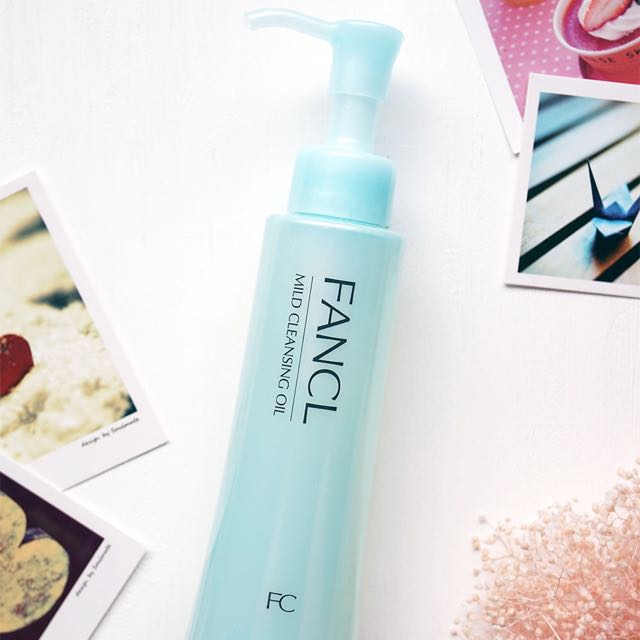
Image result for fancl mild cleansing oil
  • Cleansing Water
Image result for bioderma water

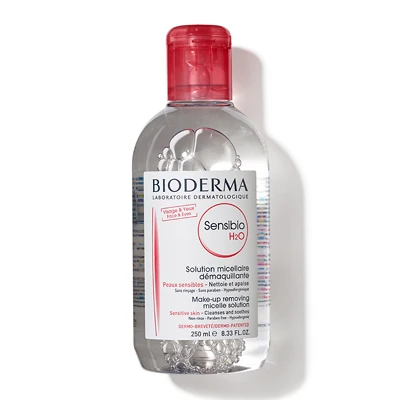
If you are intolerant to greasy and oily products, cleansing water should be your top choice. Its fluid texture removes makeup effectively while leaving your skin refreshing. The biggest advantage of cleansing water is that it does not require much double-cleansing after use. My recent favorite is Bioderma Sensibio H2O Micellar Water. I usually apply it whenever I feel exhausted or do not want to waste time on removing makeup at night. It is gentle and moisturizing so that it works for all types of skin conditions.

  • Wipes
Image result for neutrogena wipes

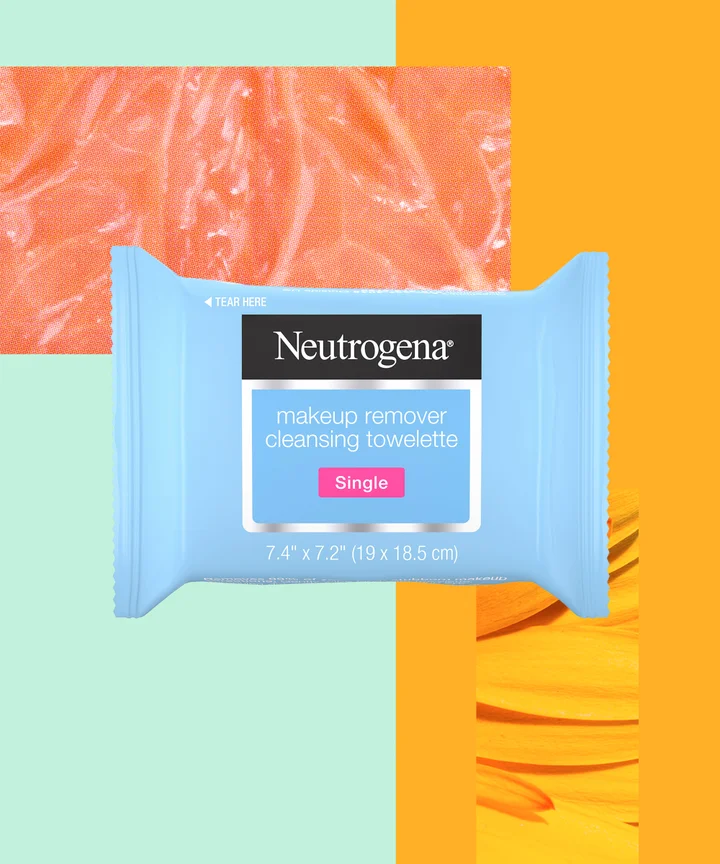
No matter what type of skin you are, makeup removing wipes can be your portable necessity. It is extremely convenient and can save you from wearing makeup whenever and wherever possible. Despite its light weight and ready-to-use nature, makeup removing wipes CANNOT be your one and only makeup remover especially when you wear waterproof products. To completely resolve all your makeups, the normal makeup removing routine should also be done at night in case there is still residual on your skin. If you are new to this genre, please give a try to Neutrogena Makeup Removing Wipes.

After understanding the differences and effectiveness of all these makeup removers, hope you can grasp the idea of choosing the right one for your own skin type.

Ingredients to Avoid in Skincare Products: Parabens, Formaldehyde Releasing Preservatives, and Sulfates

By Eileen Kim
Aug 26, 2019

Within the past few years, an increasing number of brands have started to label their products as being clean, vegan or free of certain ingredients. Most consumers who are not skincare junkies or beauty gurus often don’t understand why certain ingredients needed to be avoided and the reasons. The three ingredients that often come up when discussing about clean beauty are parabens, formaldehyde releasing preservatives and sulfates. So why should we ultimately avoid these products? Here are some reasons to choose not to use products containing the aforementioned three ingredients. 

Parabens

Parabens may be one of the most common ingredients that people are exposed to. Because this preservative is economical and so effective against fungal and bacterial growth, paraben is part of many categories of products ranging from self care to drugs an even water. The three most common types of parabens used in cosmetics and skincare products are methylparaben, propylparaben, and butylparaben. 

Despite its frequent usage, it is also one of the most controversial ingredients in the skincare and cosmetics industry. Parabens do penetrate through skin and disrupts hormone functions, especially estrogen. This is why many people still believe that parabens cause cancer despite the fact it was never scientifically proven that paraben is the direct cause of cancer. 

You may ask at this point, if parabens don’t cause cancer, why should we care if it is in our lotions and shampoos? Isn’t it good that parabens are preventing bacterial growth and increasing the shelf life of the products? Because parabens are so assimilated in our lives, it is constantly accumulating in our body. We don’t know the exact dosage of paraben where it starts harming the body, as the experiments were only done on animals and cell cultures. Therefore, it is important to reduce the paraben usage on where we can identify it.

Formaldehyde Releasing Preservatives

Formaldehydes and formaldehyde releasing preservatives are used in water-based products to prevent bacterial growth. They are often present in products like nail polish, nail and eyelash glue, hair products, shampoo, and body wash. Some of the most common formaldehyde releasing preservatives are quaternium-15, dimethyl-dimethyl (DMDM) hydantoin, and imidazolidinyl urea. 

A strong reason not to use products with these preservatives comes from the fact that formaldehyde is a known human carcinogen. Carcinogens is a class of chemicals that can cause cancer in cells. Although formaldehyde is present in small percentages in products, people can easily suffer from irritation and develop formaldehyde sensitivity over long term exposure through ingestion and inhalation.

Sulfates

Another common ingredient found in skincare product is sulfate. Sulfate is a type of detergent found in shampoo, body wash, soap and toothpaste. The two most common sulfates are sodium lauryl sulfate (SLS) and sodium laureth sulfate (SLES). These two products are used in combination with each other due to the fact that SLS is a very effective cleaning agent and SLES is milder compared to SLS but produces better foams. While some people may benefit from sulfates, most people don’t, as they are known to cause skin and eye irritation. Sulfates also strip the skin and scalp of its natural oil, which can often cause dryness and acne in many people. 

There are gentler alternatives to sulfates. Ingredients like disodium laureth sulfosuccinate and coco glucosides are cleansing agents that are mild, gentle, and does not irritate the skin. Although they may not produce as much foam and lather as the SLS and SLES, they clean the skin as well as sulfates do.

Which Customized Foundation is Best for Me?

by Minji Kim
Aug 26, 2019

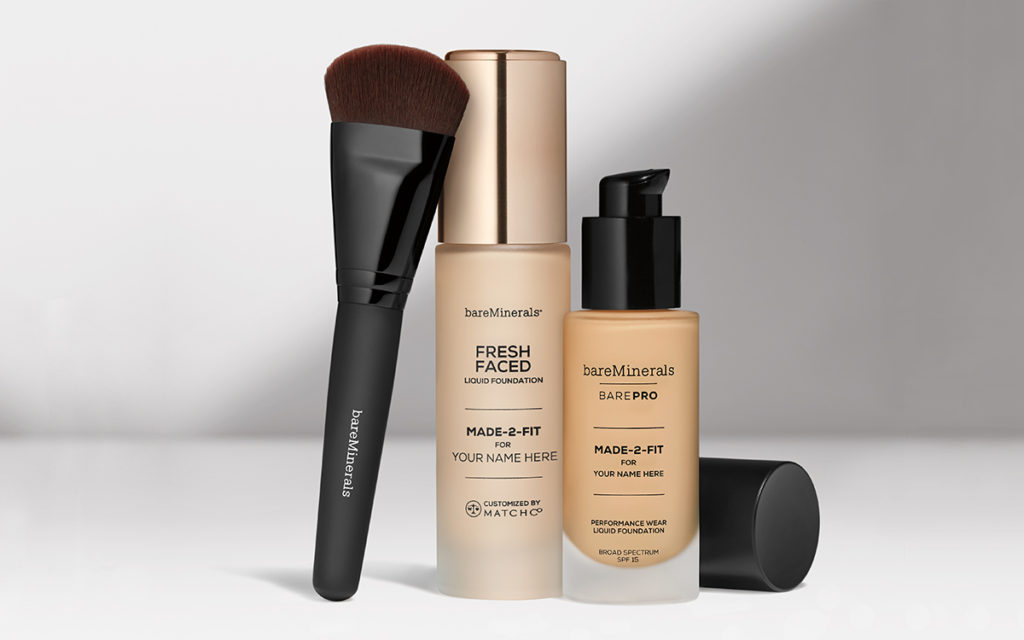
One major concern of all foundation nomads is probably finding the right shade of foundation for their skin tone. The color looks fine when you test it in store, but when you buy it and apply it at home the color doesn’t match your skin tone. Or maybe you can’t find any foundation that matches your skin tone at all, even if there may be 50 different shades of the same foundation. Therefore, foundation-lovers have been obsessed with personalized products. Here we will introduce and compare the two most popular custom-made foundation products: Lancôme’s Le Teint Particulier Foundation and bareMinerals’ Made 2 Fit Liquid Foundation.

Le Teint Particulier Foundation

$88, 1 fl oz. (30 mL)

When you walk into the Lancôme store at Nordstrom to buy your customized foundation, the Lancôme Color Expert would scan your skin with a handheld colorimeter on 3 different areas. At this time you should not be wearing makeup–you need to scan your bare skin to get the most accurate shade of foundation. Then, you get to select your skin type to decide on the hydration level, and you also select your desired coverage level. The responses get recorded and Lancôme’s special algorithm calculates the formula. Using this formula, the foundation is made by mixing different color pigments: white, yellow, red and black. When half of the bottle is full, you are allowed to test the shade on your skin and adjust the color if you want. The finished bottle would have your skin color ID and your name on it for future refills. This whole process takes about 30 minutes, which is worthwhile considering that you’re getting the foundation with the perfect shade on your skin. 

Customer Reviews

Pros:
– Easy to build up to reach full coverage 
– Easy to blend and the finish resembles your skin
– Lightweight
– Oil-free, paraben-free, fragrance-free
– Relatively long-lasting

Cons:
– You can’t test the texture of the foundation in store
– High-end
– The color darkens as it dries on skin
– Settles into fine lines

Made-2-Fit Custom Liquid Foundation

$49, 1 fl oz. (30 mL)

To order this personalized foundation, you first need to download the bareMinerals MADE-2-FIT app to your phone. Then, follow the instructions on the app, which first tells you to calibrate your phone camera. To do so, you first scan a white paper, and then you move on to your skin and scan 5 areas on your body: inside your wrist, outside your write, right cheek, left cheek and forehead. After you scan your skin, you choose the kind of foundation you want. There are two choices–Fresh Faced Foundation (sheer-medium coverage) or Barepro Performance Wear Liquid Foundation SPF 15 (full coverage). This foundation will also have your name on it. 

Customer Reviews

Pros:
– bareMinerals’ best-selling foundation, Barepro Performance Wear Liquid Foundation, is now customizable.
– You don’t have to go to the store to buy it.
– You can return the product and get a full refund or request an adjustment to the color if you’re not satisfied with the shade. 

Cons:
– Fresh Faced Foundation is lightweight, but it can feel too light. It barely has coverage, so it feels more like a tinted moisturizer.


Is Miceller Water Same as Diluted Soap?

By Sophie Yeh
AUG 26, 2019

Micellar water solutions have become the norm over the past few years. It is known to be a gentle yet effective makeup remover and no-rinse facial cleanser. These claims sound similar to thousands of other gentle, makeup-removing facial cleansers, so it is difficult to determine how micellar waters are different from traditional facial cleansers in terms of ingredients and use. 

Key Ingredients 

Traditional Cleansers

Gentle face cleansers, which are generally the mildest and least harmful on the skin, consist of 15 or more ingredients, involving multiple surfactants, moisturizers, preservatives, and liquid thickeners. The surfactants system are most commonly known, such as sodium lauryl sulfate, stearic acid, sodium cocoyl isethionate (coconut derived). 

Micellar Water

The most common micellar solutions contain 5 to 10 ingredients, such as Bioderma Sensibio Micellar Water, Garnier SkinActive Micellar Cleansing Water All-in-1 Cleanser & Makeup Remover, L’Oreal Micellar Cleaninsing Water, or La Roche-Posay Micellar Cleansing Water and Makeup Remover. These solutions consist of mostly water with 1 to 3 surfactants, lots of moisturizers, and one preservative ingredient. The surfactants provide the cleansing ability while emollients and moisturizers leave the skin feeling silky.

What’s the Difference?

Simply, micellar solutions are very diluted concentrations of surfactants while traditional cleansers are much more concentrated. Can you add water to the cleansers you have at home and call it micelle water? Close, but not exactly. Micelle solutions have a different surfactant system with capric glycerides, hexylene glycol, or propylene glycol that have high emollient factors and do not foam as much as traditional surfactant systems. On the other hand, facial cleansers can achieve the same level of cleansing, if not more, if it is applied in a very diluted concentration, then rinsed away. 

Who Should Use Micellar Water?

Surfactant molecules attract to dirt on your skin and form micelles that lift the dirt away.

Micellar water is an excellent cleanser for dry or sensitive skin types who require minimal cleansing and struggle with facial cleansers being too dry. Micellar solutions are very emollient while stripping away dirt and oil, so do not compromise the skin barrier as much as facial cleansers.

Although some use micellar solutions as toners, it is not recommended that you use both. In doing so, you are essentially cleansing your skin twice and risk destroying the lipid-protein barrier of your skin. Economically, it also does not make sense to buy both and use both products when one bottle of cleanser is enough to cleanse effectively. 

Top Recommendation

My top recommendation is the Garnier SkinActive Micellar Cleansing Water All-in-1 Cleanser & Makeup Remover. It consists of a simple list of 7 ingredients with hexylene glycol as the main surfactant. This surfactant is very mild and is very safe according to EWG. A study found that hexylene glycol is less irritating and had the lease transepidermal water loss compared to propylene glycol. Propylene glycol is another common surfactant found in micellar solutions such as Bioderma Sensibio H2O, and is categorized as a contact allergen, along with sodium lauryl sulfate. 

Garnier SkinActive Micellar Cleansing Water for Sensitive Skin


 It is also affordable at $6.59. Interestingly, L’Oreal Micellar Cleansing water has the exact same ingredients, but sold at a higher price ($9.99). Garnier is a brand owned by L’Oreal as well, so I would choose Garnier’s micellar water over L’Oreal’s due to the lower price.

References