Why Asian Skincare is Trending in the US

A Big Straw and Vivid Cosmetics Collaboration.

In late 2018, Sephora launched its first K-Beauty collaboration with Memebox, introducing the Western beauty world into Asian beauty. And just this September, the Korean brand Innisfree had its exclusive launch at Sephora. This marked another major milestone for the growth of Asian beauty in the West. Brands like Shiseido and SK-II have been carried by department stores for years, but the past few years have seen Asian beauty products—especially Asian skincare—skyrocket to prominence, establishing its place in the mainstream consumer culture. This sudden surge in popularity of Asian skincare is due in part to broader trends within the Western beauty industry, but also reflects Western consumers’ growing interest in the unique aspects of Asian beauty, such as their famously intense skincare regimens and emphasis on natural ingredients.

Glossier photoshoots enhancing the model’s flawless skin with minimal makeup.

Skincare is on the rise as a major focus in the Western beauty industry. Trends like “no-makeup” makeup or glass skin are examples of how consumers are embracing natural, minimal beauty, in which skin is a feature to be shown off rather than covered up. One U.S. brand that embodies this trend is Glossier, which has been one of the pioneers of the no-makeup makeup look. Ads on the Glossier website feature a diverse array of youthful models, close-up shots of their natural, unblemished, glowing skin, and minimal, if not unnoticeable, make-up. 

Meanwhile, the popular Western conception of Asian beauty has long been youthful, flawless skin. This is actually not too far off the mark, especially if you take a look at Asian ads themselves. Asian beauty standards heavily emphasize perfect, pale skin. Asians take care to protect themselves from the sun and skincare products are as important as makeup, if not more so. Thus this idea that Asians have soft, youthful, and flawless skin has propelled many Western consumers to go in search of the “Asian way” of skincare. 

At the same time that interest in skincare has surged, there has also been a growing demand for natural products. A study conducted by L’Oreal on the future of skincare found that 95% of women want skincare products to protect their skin as opposed to producing cosmetic effects. Not only this, but 65% of women globally are using more natural and minimal formulations as opposed to scientifically advanced formulas. These insights reveal that beauty consumers are seeking natural, gentle formulas that build up the skin’s tolerance to the external environment.

Here too, Asian skincare holds a unique appeal. With its roots in traditional medicine, Asian skincare often touts its use of natural extracts like snail mucin. Though these claims may not be scientifically proven, natural extracts are promoted as being able to increase skin resilience while fading dark spots and fine lines. Scientifically tested products sometimes seem harsh or “have too many artificial chemicals,” both of which clash with consumers’ preference for natural products.

Additionally, Asian skincare famously involves an extensive ritual with many steps and products that is akin to a “self-pampering” experience for practitioners. While the idea of a “12-step routine” can be intimidating to some, this aspect makes Asian skincare more appealing for consumers who are seeking to take more serious steps to improve their skin health or overall skin conditions. The targeted, personalized style of an Asian skincare routine that mixes and matches products for specific purposes would certainly appeal to them.

Lastly, the growing popularity of Asian beauty and skincare have resulted in greater representation of Asian beauty culture, products, and icons in the West. 

Recent years have seen numerous established, western retailers begin to include Asian beauty brands. Sephora currently carries a selection of products from Laneige and Etude House, both of which are very popular brands in Asia. Even Walmart and Target now carry a variety of Asian skincare and makeup brands. Asian beauty, with its unique concepts and products, is becoming more mainstream in the west.

But it is not just about Asian beauty brands. Asian beauty influencers are also gaining recognition in the West. Pony Park, who is one of the most popular makeup artists in Asia with more than 5 million followers on Youtube, recently collaborated with the major U.S. makeup brand MAC on a collection of Tarot-card themed makeup. High-end Western brands have long looked to Asian celebrities to market their products there. But now many of these celebrities are also receiving recognition outside of their home countries. Vogue released a video featuring K-pop idol Tiffany Young earlier this year, and it has already racked up 5.6 million views.

At the same time, Western brands are also trying to catch onto new product trends from Asia. Apart from expanding more seriously into skincare, Western beauty brands are taking a cue from their Asian counterparts and emphasizing natural extracts in their formulations. Rice, green tea, and many other traditional Asian skincare ingredients are now featured in many Western brands’ product lines. Asia’s influential emphasis on natural ingredients has also set a standard for Western skincare companies to hold their ingredients to stricter standards, develop more sophisticated formulas, and present their products in appealing packages. Most importantly, Asian skincare culture has provided the U.S. population facing an increase in allergic reactions and sensitive skin with a positive trend that calls for healthy, resilient skin.

However, some aspects of Asian beauty’s growth in the West are more controversial. Some Western forays into the Asian skincare trend have been met with accusations of cultural appropriation. Tatcha, a U.S. luxury skincare brand inspired by Japanese beauty principles, features aspects of Japanese culture all throughout its products and packaging. This has been a point of controversy, considering that its Asian-American founder Vicky Tsai has no Japanese background. Additionally, Asian beauty culture itself has received both internal and external criticism. The Asian preference for pale skin is seen by some to be colorism, which is discrimination based on the color of the skin.

Even with these bumps in the road, the rise of Asian beauty and skincare in the West has been undeniable. Western consumers have available to them a wider selection of product options, and are more aware of the beauty and health benefits that come from taking care of one’s skin. Asian beauty brands have inspired innovation and growth within the Western beauty industry while themselves benefiting from expanded access to a large, new market. As a whole, Asian beauty has achieved greater recognition and representation worldwide, diversifying mainstream conceptions of beauty here in the West. 

50 Shades of Red —— Get to Know the Nuances of Lipsticks

The movie, Fifty Shades of Grey, became a hit ever since it was released. It is successful and memorable in many ways, from its plot, actors/actresses, to the shooting techniques and original music tape. But there is one thing, despite its subtleness, that greatly enriches the film’s content, and that is the actress’s makeup, specifically, the use of lipsticks.

As a romantic drama film, Fifty Shades of Grey captures the characters’ facial expressions using close-up shots. In those scenes, the way how the makeup artists applied lipstick was definitely a highlight. To show the character’s innocence and shyness, the makeup artist used light pink or coral most of the time. While it comes to a bolder scene, the lipstick was changed to a dark and more seductive shade. Different uses of lipstick in this movie perfectly explains why makeup brands have provided people millions of lipstick shades to choose from. Hence, how to choose the right color in various contexts is a skill that we are going to delve into. 

Scarlet Red

Image result for red lipstick celebrity"

Scarlet red is without a doubt a color that people choose in their most important occasions because it can never go wrong. Not only does it add a highlight to your overall makeup, scarlet red also boosts your charisma and confidence. If you want your makeup more memorable or want to appear more bold, go with scarlet red!

MLBB

When you just want to spend time with girlfriends, hitting some shops, or stopping for a coffee to have a casual chat, you probably do not want your lipstick too showy. Then MLBB shade is your ideal choice. MLBB is the abbreviation of My Lip But Better – just as the name suggests, MLBB is a collection of nude and light lipsticks that fit your own lip color. It is always the safest choice for you when you are uncertain about which lipstick to go with.

Plum

Are you a party animal? Is your favorite hang-out place a bar or a club? Are you a music festival lover? If your answer is yes to any of these questions, do not hesitate to try a plum lipstick next time. The color of plum goes well with a heavy makeup and stands out even in a dim lighting.

Picking a lipstick among numerous choices can be a challenging task, but it will be much easier if you consider the occasion you are applying the lipstick for. 

Does Your Skincare Smell Good?

Scent is one of the contributors in making us pay for a personal care product. If you read the ingredients on the on any of your personal care product, there will always exist “Fragrance” towards the bottom of this. If not, there will be a bunch of oils like eucalyptus, geranium, or lemongrass. As much as these fragrances and oils can leave positive experiences about the usage in our brain, they only leave negative experiences to the skin, damaging it little by little every day. 

Fragrances

Image result for fragrance"

Fragrance is one of the most common ingredients in skincare products because it can mask the original smell of the cosmetic products and give consumers the good experience of putting on nice smelling products every day.

Although the fragrance is a blend of about average of 14 ingredients. Due to the Fair Packaging and Labeling Act of 1996, fragrance is considered a trade secret and companies are not required to release the ingredient list and therefore, it is often listed as fragrance or perfume in the ingredient list. This makes it hard for consumers to know the exact ingredients of the product. 

Fragrance is harmful for the skin because the skin in sensitized when the scents are released, as this is often a volatile process. Majority of the ingredients that goes into making fragrances contains phthalates, which is a known hormone disrupting chemical. Fragrance is not only a skin sensitizer but also is one of the biggest causes of cosmetic contact dermatitis along with nickel and poison ivy. 

The harmful side of fragrance may prompt people to go to clean beauty section in sephora and pick up fragrance-free labeled products. However, fragrance-free in many cases means that the companies have mixed in other ingredients to mask the smell of cosmetic and skincare products. Therefore, the best way to avoid synthetic fragrance is to use products that contain essential oil or natural fragrances. 

Essential oil

Image result for essential oils"

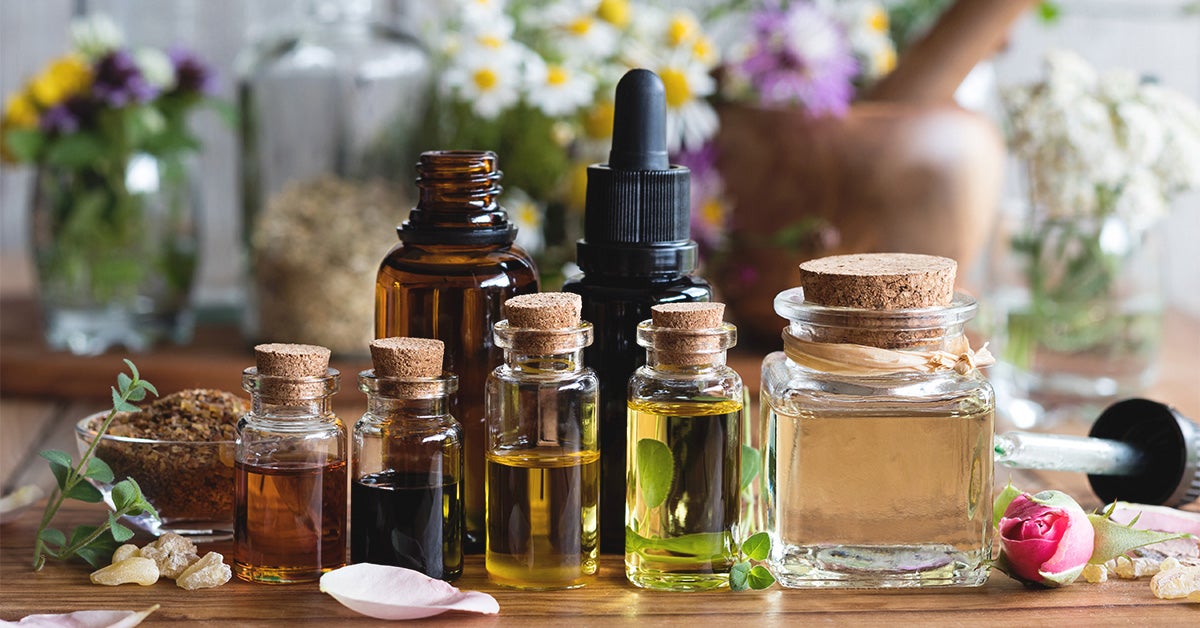
Essential oils are fragrant oils extracted from plant’s flowers, bark, leaves, roots and fruits.

As fragrance attracted negative attention, companies started replacing fragrance with essential oils to mask the original smell of the products. Some of these essential oils are beneficial for the skin, as they may be rich in antioxidants and contain antibacterial properties. 

However, because essential oils also release fragrance through volatile reaction, some essential oils are equally skin sensitizing and irritating as the synthetic fragrances. Just because an oil is marketed as being beneficial in one aspect doesn’t mean that the oil isn’t harmful to the skin. For example, lavender oil, which is known for skin-calming properties, is also sensitizing due to the fragrance aspect of the oil. Any of the citrus and mint oils like lemon, lime, peppermint and wintergreen may also cause problems for any skin types. Therefore, if you intend to use essential oils to treat skin concerns, you should look for an alternative that does not contain the fragrance aspect. 

Gua Sha Facial Techniques for Healthy Looking Skin

From jade rollers to facial crystal massagers, facial massages are making their way to the front of the beauty community. With the rise of East Asian skincare practices across the globe, facial gua sha has proved itself an easy and efficient at-home massage tool. 

History and Uses

Gua sha involves the practice of scraping a stone tool, typically made of jade, across the skin to promote blood circulation and to reduce inflammation. Presumed to have existed since the Paleolithic Age, gua sha is used mainly in East Asian medicinal treatments to treat a variety of medical conditions such as body pains and muscle stiffness. When used on the face, a gua sha facial can lead to a brighter complexion from increased blood flow and can reduce bloatedness in the face. 

Facial Techniques

Now, let’s take a look at some basic gua sha techniques to practice with a delicate hand at home. 

Gua sha jade stones can be found on a variety of websites such as amazon. The massage works better if you use a facial oil so the stone doesn’t cause friction on your skin. I typically use a makeup removing oil such as the Face Shop’s Rice Water Bright Light Cleansing Oil. Made to break down makeup, these oils are typically light and won’t cause breakouts as other oils would. The Ordinary’s 100% Organic Virgin Chia Seed Oil is also a great facial oil to use after the face has been cleansed. 

A general practice is to always move the stone up and away from the center of your face to prevent premature wrinkles. Begin by using the flat end of the gua sha up the sides of the neck and putting a little pressure when it reaches the back of the ear. Pressing on pressure points will help relieve tension in typically neglected regions of the face.

Then use the groove on the gua sha to move out and away from the center of the chin. Apply gentle pressure when using the gua sha. I then like to move onto my cheekbones and scrape in a “U” motion outwards. Bringing the stone up to the temples and gently placing pressure helps relax the face. Scrape gently around the nostrils and from the beginning of the eyebrow to the end. 

Doing this simple massage a few times a week can help with lymph drainage and can help brighten the appearance of dull skin. Taking a few minutes out of your day to do the gua sha facial massage is a meditation practice of self care, which is important in our busy schedules. 

“Holiday” Beauty Collections and Consumerism

Beauty is a business. The global beauty and cosmetics industry was valued at USD 532.43 billion in 2017, according to Reuters; with year-over-year growth, the market is only growing. Cosmetics sales especially jump around the holiday season, spurred on by nationwide shopping events like Black Friday, Cyber Monday, and Christmas sales. For example, cosmetic kit sales increase nearly three times more than average during the week before Christmas through the week after Christmas, according to Tabs Analytics. 

Many cosmetic brands typically release special holiday-themed collections or products around this time to capitalize on increased spending. However, a recent trend has been on the rise with brands releasing so-called “holiday” collections earlier and earlier, with some collections even releasing in late September or early October.

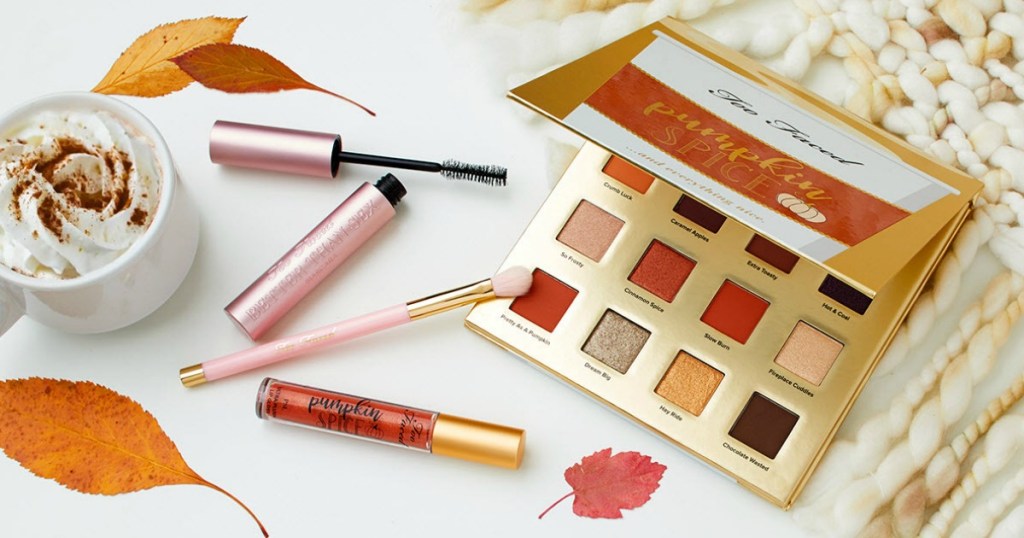
For example, the Too Faced Holiday collection dropped on September 20th, despite its snowman, gingerbread, and Christmas tree theme. The collection even included tree ornaments, despite Christmas being over 3 months away. 

In fact, the Too Faces pumpkin and fall collection released after the Christmas collection.

Image result for too faced pumpkin spice"

Prestige or legacy brands such as Lancome have hopped on this trend as well, with Lancome’s holiday collection having released on September 30th. Kiehl’s and Beautyblender have also already released holiday products and ornament gift sets. 

Ofra Cosmetics

– October 7th –

Pat McGrath

– October 10th –

Fenty Beauty
– October 11th –

Kylie Cosmetics

– October 13th –

Patrick Ta

– October 16th –

Whether it’s to allow customers to get their hands on products early or just a money grab, the early releases of holiday collections is a pattern worth noting. In fact, this trend is mirrored in other industries as well. For example, Starbucks’ iconic pumpkin spice latte was originally released on October 10th in 2003, but release dates have crept earlier and earlier: the PSL began to be poured on August 27th this year, according to MarketWatch.

Coffee is always in season, and prices tend not to fluctuate throughout the year. However, without the incentive of traditional holiday discounts and sales, it might be unlikely that consumers will purchase new makeup products so early in the season. Why buy a new palette in October when you know that Black Friday is just around the corner? Customers with this mindset might end up compiling a wishlist and waiting for the true holiday season to kick in anyway before buying. What do you have your eyes on this season?

Scent of the Summer

Summer has been over for a month now, but the weather in Pittsburgh has been – surprisingly- warm and sunny. It’s not just the weather that makes one want to go back into the Summer. The fresh, salty smell of the sea or the smell of suntan lotion takes you right back to the sun-drenched beach. The smell of barbecue, the sizzling burgers, chicken legs and corn on the cob get your summer-buds salivating again. Scents are powerful enough to take you back on that trip you had in Prague; so close your eyes and try these summer scents – you may find yourself by the beach on a Caribbean island.

Image result for byredo sundazed eau de parfum"
Byredo Sundazed Eau De Parfum: A fiery/flaming ode to the Sun
3.4 oz. / $260 

A fresh and fruity accent of Mandarin and Orange is rounded out with the creamy floral white musk. It makes you feel as if you are under the blazing sun.

Top: Lemon, Mandarin, Heart: Neroli, Jasmine Sambac
Base: Musk, Cotton Candy

Image result for serge lutens fleurs de citronnier eau de parfum"
Serge Lutens Fleurs De Citronnier Eau De Parfum: A cool breeze in a sunsetting evening
3.4 oz. (100mL) / $150

The sweet fragrance of Lemon blossom lingers while a breeze of musk notes unfolds and exudes a magical freshness. It reminds one of a beach in a cool evening. 

Scent: Orange, Mandarin, Grapefruit, Lemon blossom

Image result for Chanel Paris Paris Riviera Eau De Parfum"
Chanel Paris Paris Riviera Eau De Parfum: A trip to Nice
4.2 oz./$80

The sweet, tangy freshness of Sicilian Orange is embellished with the delicateness of Neroli. Gabrielle Chanel captured the breathtaking landscapes of the French Riviera by the floral and solar scents. 

Scent: Sicilian Orange, Neroli

Image result for Frederic Malle Bigarade Concentree Eau De Parfum"
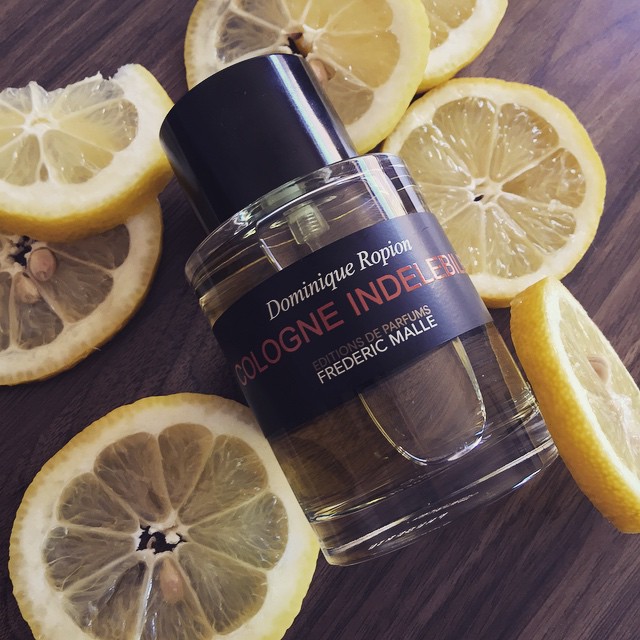
Frederic Malle Bigarade Concentree Eau De Parfum: A festive day at an orchard
3.3 oz. / $280

It is luxurious in its purity, minimal and transparent yet with a hint of mischief. The fragrance of bitter orange is mouthwateringly refreshing; its harmony with cardamom and pink pepper on a woody base of hay and cedar is extremely sophisticated.

Top: Bitter Orange (bigarde), Cardamom, Pink pepper, Base notes: Cedar

Image result for Louis Vuitton Afternoon Swim"
Louis Vuitton Afternoon Swim: Adventures over ocean waves
3.4 oz. / $250

Feeling all the energy of the waves washing over the skin on a hot summer’s day. A juicy Sicilian orange lush explodes with vitamins, while bergamot drifts toward a wave of delights, set against a deep current of mandarin. 

Scent: Bergamot, Mandarin, Orange, Ginger, Ambregis

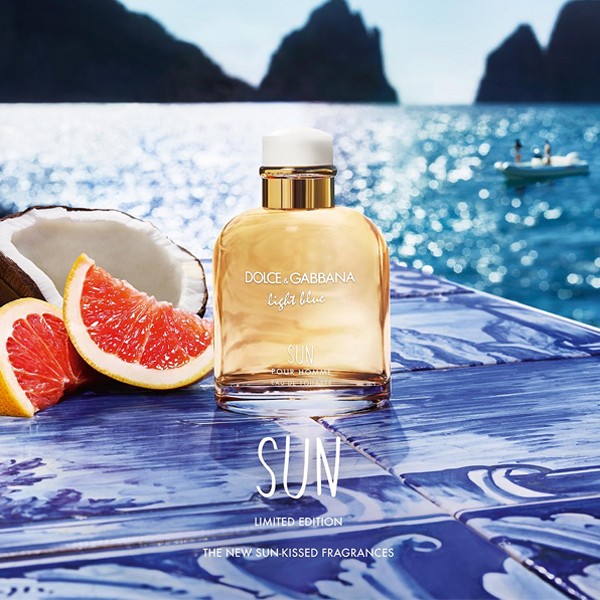
Image result for Dolce & Gabbana Light Blue sun Pour Homme Eau De Toilette"
Dolce & Gabbana Light Blue sun Pour Homme Eau De Toilette: Summer fling in Prague
4.2 oz. / $88

The aroma of sparkling summer days yield to evocative evenings. A man meets a woman in the beautiful city of Prague, the quintessence of the joy of life and seduction. 

Top: juniper, bergamot, grapefruit, Sicilian mandarin

Middle: Sichuan pepper, rosemary, rosewood

Base: incense, musk wood, oak

Image result for Laboratorio Olfattivo Es Vedra Eau De Parfum"
Laboratorio Olfattivo Es Vedra Eau De Parfum: A beautiful tropical island
3.4 oz. / $108

Es Vedra is an island set in the Mediterranean, with a magnetic charm. The legend wants that it is the island of the Sirens of Homeric memory. The fragrance of musk captures  the magnetism and the nature of this island. 

Top: Névénolide

Middle: Vetyver, Musks, Petit Grain, Lemon

Base: Leaves of Coriander

4 Different Types of Makeup Remover – Knowing the Best One for Your Own Skin Type

By Violet Chen
August 26, 2019

Taking off your makeup after a long and tiring day is an essential step to keep your skin healthy and youthful. However, are you really applying the appropriate makeup remover that works best for your own skin type? Before answering this question, we need to understand the true differences among various products.

  • Makeup Remover Balm

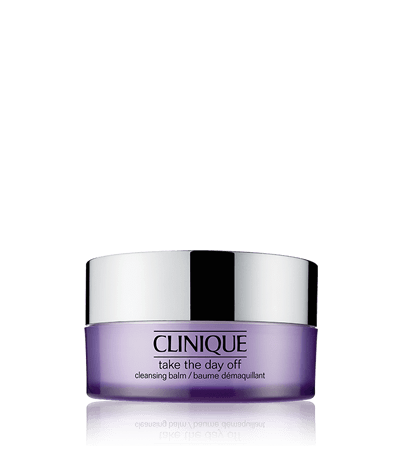
Having a combination and sensitive skin type, cleansing balm is my everyday essential. The biggest reason I choose cleansing balm over other types of makeup remover is its gentle texture. It completely removes my daily makeup without irritating my skin and acnes. It requires certain amount of time to be emulsified. However, I myself enjoy the process and treat it as a chance to give my face a massage. My personal recommendations for makeup remover balm are Clinique Take The Day Off Cleansing Balm and Farmacy Green Clean Makeup Removing Cleansing Balm

Image result for farmacy cleansing balm
Image result for clinique makeup remover balm
  • Cleansing Oils

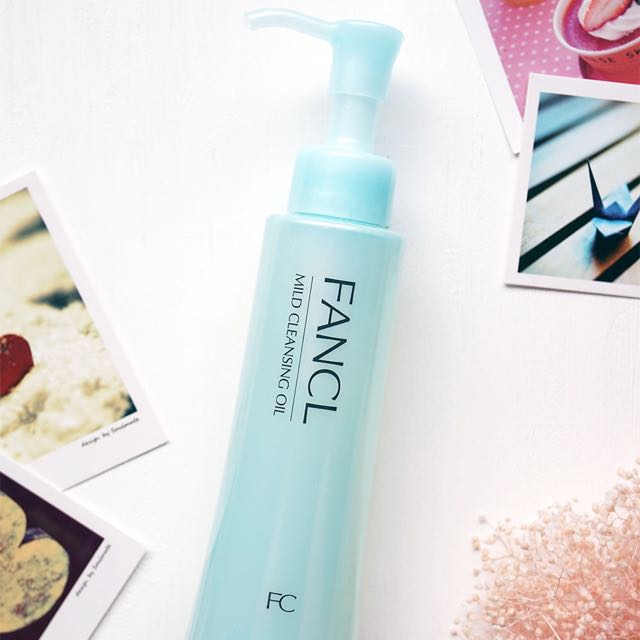
Makeup removing oils are cult faves among dry-skin people and heavy-makeup wearers. The special ingredient resolves waterproof makeup products instantly while leaving your face a clear and comfortable condition. Technically speaking, cleansing oils are also friendly to combination and oily skins as long as the cleansing oil is completely washed off from your skin. The most high-rated products under this category should go to Fancl Mild Cleansing Oil. It is outstanding in both cleansing performance and hydration effect.

Image result for fancl mild cleansing oil
  • Cleansing Water
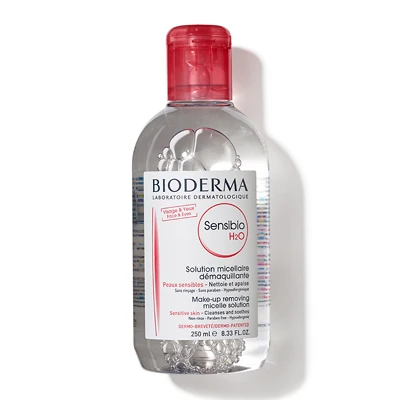
Image result for bioderma water

If you are intolerant to greasy and oily products, cleansing water should be your top choice. Its fluid texture removes makeup effectively while leaving your skin refreshing. The biggest advantage of cleansing water is that it does not require much double-cleansing after use. My recent favorite is Bioderma Sensibio H2O Micellar Water. I usually apply it whenever I feel exhausted or do not want to waste time on removing makeup at night. It is gentle and moisturizing so that it works for all types of skin conditions.

  • Wipes
Image result for neutrogena wipes

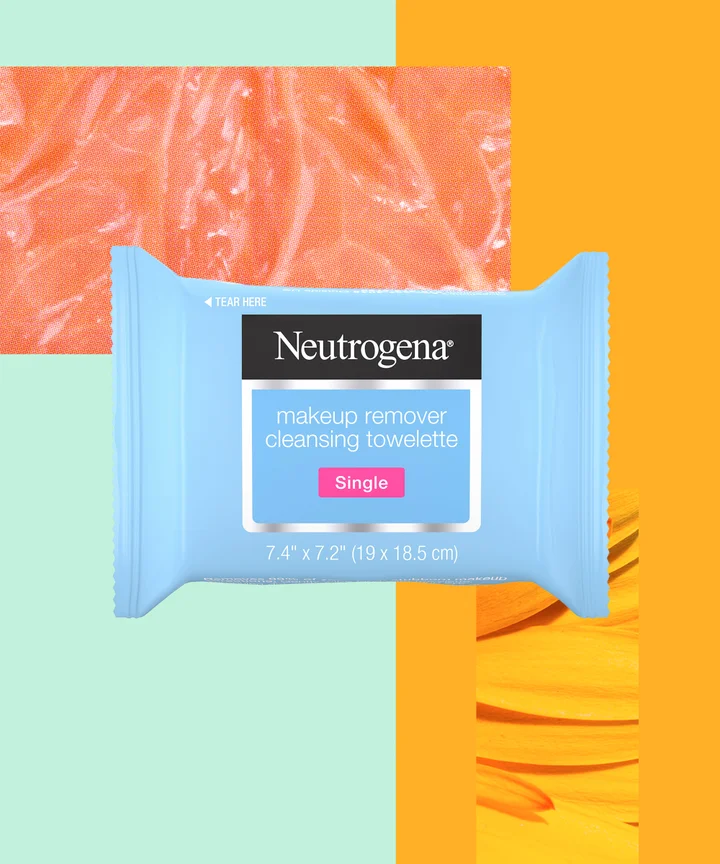
No matter what type of skin you are, makeup removing wipes can be your portable necessity. It is extremely convenient and can save you from wearing makeup whenever and wherever possible. Despite its light weight and ready-to-use nature, makeup removing wipes CANNOT be your one and only makeup remover especially when you wear waterproof products. To completely resolve all your makeups, the normal makeup removing routine should also be done at night in case there is still residual on your skin. If you are new to this genre, please give a try to Neutrogena Makeup Removing Wipes.

After understanding the differences and effectiveness of all these makeup removers, hope you can grasp the idea of choosing the right one for your own skin type.

Ingredients to Avoid in Skincare Products: Parabens, Formaldehyde Releasing Preservatives, and Sulfates

By Eileen Kim
Aug 26, 2019

Within the past few years, an increasing number of brands have started to label their products as being clean, vegan or free of certain ingredients. Most consumers who are not skincare junkies or beauty gurus often don’t understand why certain ingredients needed to be avoided and the reasons. The three ingredients that often come up when discussing about clean beauty are parabens, formaldehyde releasing preservatives and sulfates. So why should we ultimately avoid these products? Here are some reasons to choose not to use products containing the aforementioned three ingredients. 

Parabens

Parabens may be one of the most common ingredients that people are exposed to. Because this preservative is economical and so effective against fungal and bacterial growth, paraben is part of many categories of products ranging from self care to drugs an even water. The three most common types of parabens used in cosmetics and skincare products are methylparaben, propylparaben, and butylparaben. 

Despite its frequent usage, it is also one of the most controversial ingredients in the skincare and cosmetics industry. Parabens do penetrate through skin and disrupts hormone functions, especially estrogen. This is why many people still believe that parabens cause cancer despite the fact it was never scientifically proven that paraben is the direct cause of cancer. 

You may ask at this point, if parabens don’t cause cancer, why should we care if it is in our lotions and shampoos? Isn’t it good that parabens are preventing bacterial growth and increasing the shelf life of the products? Because parabens are so assimilated in our lives, it is constantly accumulating in our body. We don’t know the exact dosage of paraben where it starts harming the body, as the experiments were only done on animals and cell cultures. Therefore, it is important to reduce the paraben usage on where we can identify it.

Formaldehyde Releasing Preservatives

Formaldehydes and formaldehyde releasing preservatives are used in water-based products to prevent bacterial growth. They are often present in products like nail polish, nail and eyelash glue, hair products, shampoo, and body wash. Some of the most common formaldehyde releasing preservatives are quaternium-15, dimethyl-dimethyl (DMDM) hydantoin, and imidazolidinyl urea. 

A strong reason not to use products with these preservatives comes from the fact that formaldehyde is a known human carcinogen. Carcinogens is a class of chemicals that can cause cancer in cells. Although formaldehyde is present in small percentages in products, people can easily suffer from irritation and develop formaldehyde sensitivity over long term exposure through ingestion and inhalation.

Sulfates

Another common ingredient found in skincare product is sulfate. Sulfate is a type of detergent found in shampoo, body wash, soap and toothpaste. The two most common sulfates are sodium lauryl sulfate (SLS) and sodium laureth sulfate (SLES). These two products are used in combination with each other due to the fact that SLS is a very effective cleaning agent and SLES is milder compared to SLS but produces better foams. While some people may benefit from sulfates, most people don’t, as they are known to cause skin and eye irritation. Sulfates also strip the skin and scalp of its natural oil, which can often cause dryness and acne in many people. 

There are gentler alternatives to sulfates. Ingredients like disodium laureth sulfosuccinate and coco glucosides are cleansing agents that are mild, gentle, and does not irritate the skin. Although they may not produce as much foam and lather as the SLS and SLES, they clean the skin as well as sulfates do.

Which Customized Foundation is Best for Me?

by Minji Kim
Aug 26, 2019

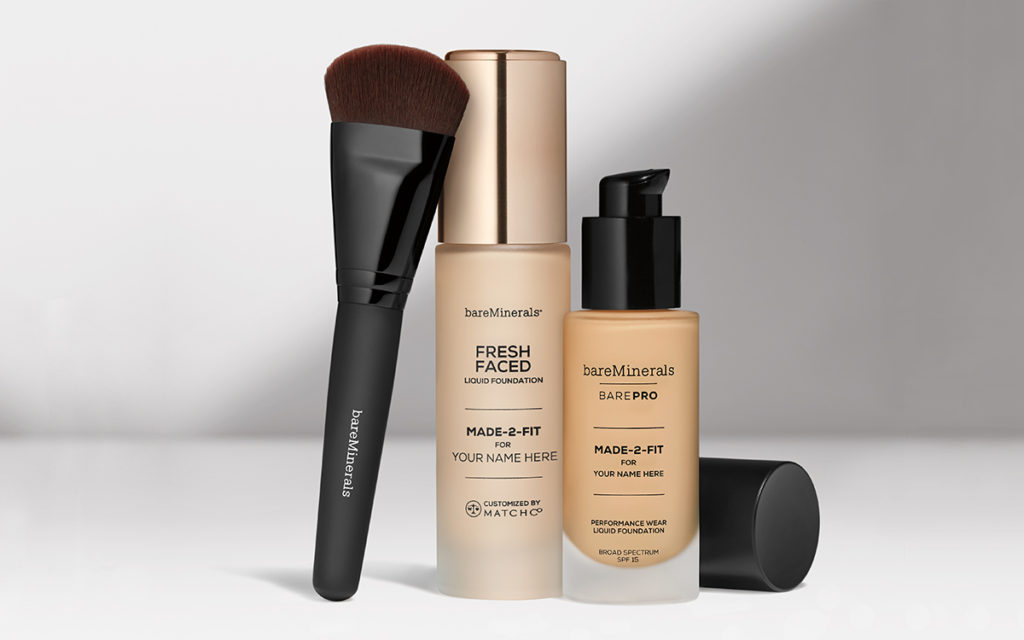
One major concern of all foundation nomads is probably finding the right shade of foundation for their skin tone. The color looks fine when you test it in store, but when you buy it and apply it at home the color doesn’t match your skin tone. Or maybe you can’t find any foundation that matches your skin tone at all, even if there may be 50 different shades of the same foundation. Therefore, foundation-lovers have been obsessed with personalized products. Here we will introduce and compare the two most popular custom-made foundation products: Lancôme’s Le Teint Particulier Foundation and bareMinerals’ Made 2 Fit Liquid Foundation.

Le Teint Particulier Foundation

$88, 1 fl oz. (30 mL)

When you walk into the Lancôme store at Nordstrom to buy your customized foundation, the Lancôme Color Expert would scan your skin with a handheld colorimeter on 3 different areas. At this time you should not be wearing makeup–you need to scan your bare skin to get the most accurate shade of foundation. Then, you get to select your skin type to decide on the hydration level, and you also select your desired coverage level. The responses get recorded and Lancôme’s special algorithm calculates the formula. Using this formula, the foundation is made by mixing different color pigments: white, yellow, red and black. When half of the bottle is full, you are allowed to test the shade on your skin and adjust the color if you want. The finished bottle would have your skin color ID and your name on it for future refills. This whole process takes about 30 minutes, which is worthwhile considering that you’re getting the foundation with the perfect shade on your skin. 

Customer Reviews

Pros:
– Easy to build up to reach full coverage 
– Easy to blend and the finish resembles your skin
– Lightweight
– Oil-free, paraben-free, fragrance-free
– Relatively long-lasting

Cons:
– You can’t test the texture of the foundation in store
– High-end
– The color darkens as it dries on skin
– Settles into fine lines

Made-2-Fit Custom Liquid Foundation

$49, 1 fl oz. (30 mL)

To order this personalized foundation, you first need to download the bareMinerals MADE-2-FIT app to your phone. Then, follow the instructions on the app, which first tells you to calibrate your phone camera. To do so, you first scan a white paper, and then you move on to your skin and scan 5 areas on your body: inside your wrist, outside your write, right cheek, left cheek and forehead. After you scan your skin, you choose the kind of foundation you want. There are two choices–Fresh Faced Foundation (sheer-medium coverage) or Barepro Performance Wear Liquid Foundation SPF 15 (full coverage). This foundation will also have your name on it. 

Customer Reviews

Pros:
– bareMinerals’ best-selling foundation, Barepro Performance Wear Liquid Foundation, is now customizable.
– You don’t have to go to the store to buy it.
– You can return the product and get a full refund or request an adjustment to the color if you’re not satisfied with the shade. 

Cons:
– Fresh Faced Foundation is lightweight, but it can feel too light. It barely has coverage, so it feels more like a tinted moisturizer.


Is Miceller Water Same as Diluted Soap?

By Sophie Yeh
AUG 26, 2019

Micellar water solutions have become the norm over the past few years. It is known to be a gentle yet effective makeup remover and no-rinse facial cleanser. These claims sound similar to thousands of other gentle, makeup-removing facial cleansers, so it is difficult to determine how micellar waters are different from traditional facial cleansers in terms of ingredients and use. 

Key Ingredients 

Traditional Cleansers

Gentle face cleansers, which are generally the mildest and least harmful on the skin, consist of 15 or more ingredients, involving multiple surfactants, moisturizers, preservatives, and liquid thickeners. The surfactants system are most commonly known, such as sodium lauryl sulfate, stearic acid, sodium cocoyl isethionate (coconut derived). 

Micellar Water

The most common micellar solutions contain 5 to 10 ingredients, such as Bioderma Sensibio Micellar Water, Garnier SkinActive Micellar Cleansing Water All-in-1 Cleanser & Makeup Remover, L’Oreal Micellar Cleaninsing Water, or La Roche-Posay Micellar Cleansing Water and Makeup Remover. These solutions consist of mostly water with 1 to 3 surfactants, lots of moisturizers, and one preservative ingredient. The surfactants provide the cleansing ability while emollients and moisturizers leave the skin feeling silky.

What’s the Difference?

Simply, micellar solutions are very diluted concentrations of surfactants while traditional cleansers are much more concentrated. Can you add water to the cleansers you have at home and call it micelle water? Close, but not exactly. Micelle solutions have a different surfactant system with capric glycerides, hexylene glycol, or propylene glycol that have high emollient factors and do not foam as much as traditional surfactant systems. On the other hand, facial cleansers can achieve the same level of cleansing, if not more, if it is applied in a very diluted concentration, then rinsed away. 

Who Should Use Micellar Water?

Surfactant molecules attract to dirt on your skin and form micelles that lift the dirt away.

Micellar water is an excellent cleanser for dry or sensitive skin types who require minimal cleansing and struggle with facial cleansers being too dry. Micellar solutions are very emollient while stripping away dirt and oil, so do not compromise the skin barrier as much as facial cleansers.

Although some use micellar solutions as toners, it is not recommended that you use both. In doing so, you are essentially cleansing your skin twice and risk destroying the lipid-protein barrier of your skin. Economically, it also does not make sense to buy both and use both products when one bottle of cleanser is enough to cleanse effectively. 

Top Recommendation

My top recommendation is the Garnier SkinActive Micellar Cleansing Water All-in-1 Cleanser & Makeup Remover. It consists of a simple list of 7 ingredients with hexylene glycol as the main surfactant. This surfactant is very mild and is very safe according to EWG. A study found that hexylene glycol is less irritating and had the lease transepidermal water loss compared to propylene glycol. Propylene glycol is another common surfactant found in micellar solutions such as Bioderma Sensibio H2O, and is categorized as a contact allergen, along with sodium lauryl sulfate. 

Garnier SkinActive Micellar Cleansing Water for Sensitive Skin


 It is also affordable at $6.59. Interestingly, L’Oreal Micellar Cleansing water has the exact same ingredients, but sold at a higher price ($9.99). Garnier is a brand owned by L’Oreal as well, so I would choose Garnier’s micellar water over L’Oreal’s due to the lower price.

References