Does Your Skincare Smell Good?

Scent is one of the contributors in making us pay for a personal care product. If you read the ingredients on the on any of your personal care product, there will always exist “Fragrance” towards the bottom of this. If not, there will be a bunch of oils like eucalyptus, geranium, or lemongrass. As much as these fragrances and oils can leave positive experiences about the usage in our brain, they only leave negative experiences to the skin, damaging it little by little every day. 

Fragrances
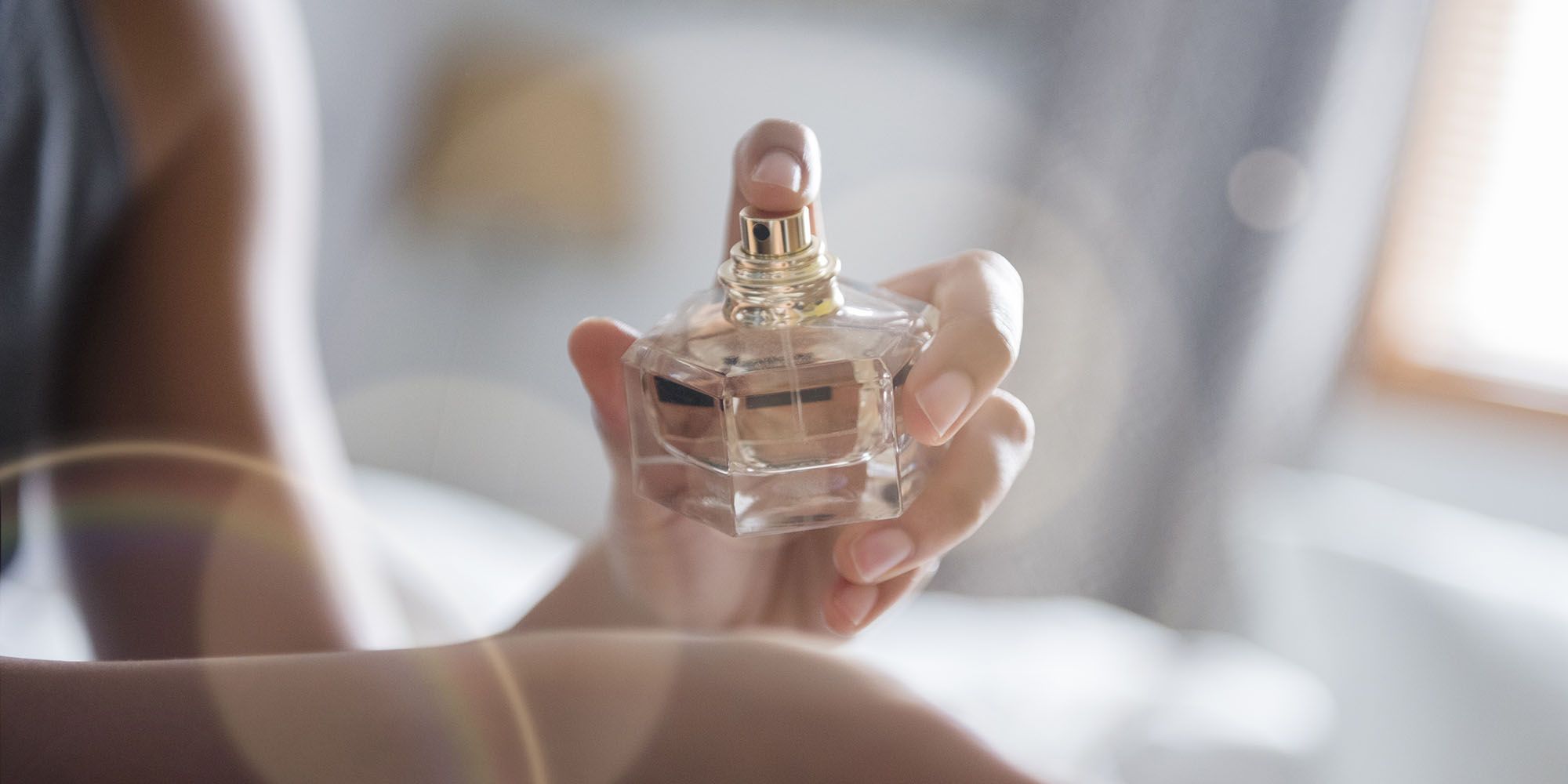
Image result for fragrance"

Fragrance is one of the most common ingredients in skincare products because it can mask the original smell of the cosmetic products and give consumers the good experience of putting on nice smelling products every day.

Although the fragrance is a blend of about average of 14 ingredients. Due to the Fair Packaging and Labeling Act of 1996, fragrance is considered a trade secret and companies are not required to release the ingredient list and therefore, it is often listed as fragrance or perfume in the ingredient list. This makes it hard for consumers to know the exact ingredients of the product. 

Fragrance is harmful for the skin because the skin in sensitized when the scents are released, as this is often a volatile process. Majority of the ingredients that goes into making fragrances contains phthalates, which is a known hormone disrupting chemical. Fragrance is not only a skin sensitizer but also is one of the biggest causes of cosmetic contact dermatitis along with nickel and poison ivy. 

The harmful side of fragrance may prompt people to go to clean beauty section in sephora and pick up fragrance-free labeled products. However, fragrance-free in many cases means that the companies have mixed in other ingredients to mask the smell of cosmetic and skincare products. Therefore, the best way to avoid synthetic fragrance is to use products that contain essential oil or natural fragrances. 

Essential oil
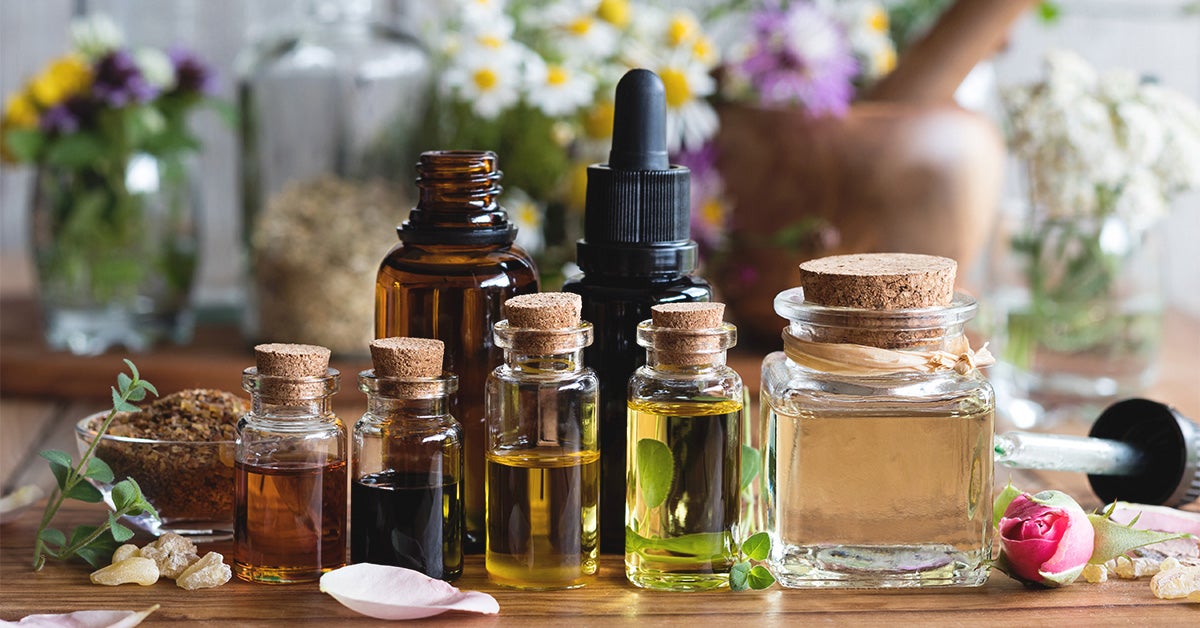
Image result for essential oils"

Essential oils are fragrant oils extracted from plant’s flowers, bark, leaves, roots and fruits.

As fragrance attracted negative attention, companies started replacing fragrance with essential oils to mask the original smell of the products. Some of these essential oils are beneficial for the skin, as they may be rich in antioxidants and contain antibacterial properties. 

However, because essential oils also release fragrance through volatile reaction, some essential oils are equally skin sensitizing and irritating as the synthetic fragrances. Just because an oil is marketed as being beneficial in one aspect doesn’t mean that the oil isn’t harmful to the skin. For example, lavender oil, which is known for skin-calming properties, is also sensitizing due to the fragrance aspect of the oil. Any of the citrus and mint oils like lemon, lime, peppermint and wintergreen may also cause problems for any skin types. Therefore, if you intend to use essential oils to treat skin concerns, you should look for an alternative that does not contain the fragrance aspect. 

Gua Sha Facial Techniques for Healthy Looking Skin

From jade rollers to facial crystal massagers, facial massages are making their way to the front of the beauty community. With the rise of East Asian skincare practices across the globe, facial gua sha has proved itself an easy and efficient at-home massage tool. 

History and Uses

Gua sha involves the practice of scraping a stone tool, typically made of jade, across the skin to promote blood circulation and to reduce inflammation. Presumed to have existed since the Paleolithic Age, gua sha is used mainly in East Asian medicinal treatments to treat a variety of medical conditions such as body pains and muscle stiffness. When used on the face, a gua sha facial can lead to a brighter complexion from increased blood flow and can reduce bloatedness in the face. 

Facial Techniques

Now, let’s take a look at some basic gua sha techniques to practice with a delicate hand at home. 

Gua sha jade stones can be found on a variety of websites such as amazon. The massage works better if you use a facial oil so the stone doesn’t cause friction on your skin. I typically use a makeup removing oil such as the Face Shop’s Rice Water Bright Light Cleansing Oil. Made to break down makeup, these oils are typically light and won’t cause breakouts as other oils would. The Ordinary’s 100% Organic Virgin Chia Seed Oil is also a great facial oil to use after the face has been cleansed. 

A general practice is to always move the stone up and away from the center of your face to prevent premature wrinkles. Begin by using the flat end of the gua sha up the sides of the neck and putting a little pressure when it reaches the back of the ear. Pressing on pressure points will help relieve tension in typically neglected regions of the face.

Then use the groove on the gua sha to move out and away from the center of the chin. Apply gentle pressure when using the gua sha. I then like to move onto my cheekbones and scrape in a “U” motion outwards. Bringing the stone up to the temples and gently placing pressure helps relax the face. Scrape gently around the nostrils and from the beginning of the eyebrow to the end. 

Doing this simple massage a few times a week can help with lymph drainage and can help brighten the appearance of dull skin. Taking a few minutes out of your day to do the gua sha facial massage is a meditation practice of self care, which is important in our busy schedules. 

Ingredients to Avoid in Skincare Products: Parabens, Formaldehyde Releasing Preservatives, and Sulfates

By Eileen Kim
Aug 26, 2019

Within the past few years, an increasing number of brands have started to label their products as being clean, vegan or free of certain ingredients. Most consumers who are not skincare junkies or beauty gurus often don’t understand why certain ingredients needed to be avoided and the reasons. The three ingredients that often come up when discussing about clean beauty are parabens, formaldehyde releasing preservatives and sulfates. So why should we ultimately avoid these products? Here are some reasons to choose not to use products containing the aforementioned three ingredients. 

Parabens

Parabens may be one of the most common ingredients that people are exposed to. Because this preservative is economical and so effective against fungal and bacterial growth, paraben is part of many categories of products ranging from self care to drugs an even water. The three most common types of parabens used in cosmetics and skincare products are methylparaben, propylparaben, and butylparaben. 

Despite its frequent usage, it is also one of the most controversial ingredients in the skincare and cosmetics industry. Parabens do penetrate through skin and disrupts hormone functions, especially estrogen. This is why many people still believe that parabens cause cancer despite the fact it was never scientifically proven that paraben is the direct cause of cancer. 

You may ask at this point, if parabens don’t cause cancer, why should we care if it is in our lotions and shampoos? Isn’t it good that parabens are preventing bacterial growth and increasing the shelf life of the products? Because parabens are so assimilated in our lives, it is constantly accumulating in our body. We don’t know the exact dosage of paraben where it starts harming the body, as the experiments were only done on animals and cell cultures. Therefore, it is important to reduce the paraben usage on where we can identify it.

Formaldehyde Releasing Preservatives

Formaldehydes and formaldehyde releasing preservatives are used in water-based products to prevent bacterial growth. They are often present in products like nail polish, nail and eyelash glue, hair products, shampoo, and body wash. Some of the most common formaldehyde releasing preservatives are quaternium-15, dimethyl-dimethyl (DMDM) hydantoin, and imidazolidinyl urea. 

A strong reason not to use products with these preservatives comes from the fact that formaldehyde is a known human carcinogen. Carcinogens is a class of chemicals that can cause cancer in cells. Although formaldehyde is present in small percentages in products, people can easily suffer from irritation and develop formaldehyde sensitivity over long term exposure through ingestion and inhalation.

Sulfates

Another common ingredient found in skincare product is sulfate. Sulfate is a type of detergent found in shampoo, body wash, soap and toothpaste. The two most common sulfates are sodium lauryl sulfate (SLS) and sodium laureth sulfate (SLES). These two products are used in combination with each other due to the fact that SLS is a very effective cleaning agent and SLES is milder compared to SLS but produces better foams. While some people may benefit from sulfates, most people don’t, as they are known to cause skin and eye irritation. Sulfates also strip the skin and scalp of its natural oil, which can often cause dryness and acne in many people. 

There are gentler alternatives to sulfates. Ingredients like disodium laureth sulfosuccinate and coco glucosides are cleansing agents that are mild, gentle, and does not irritate the skin. Although they may not produce as much foam and lather as the SLS and SLES, they clean the skin as well as sulfates do.

Is Miceller Water Same as Diluted Soap?

By Sophie Yeh
AUG 26, 2019

Micellar water solutions have become the norm over the past few years. It is known to be a gentle yet effective makeup remover and no-rinse facial cleanser. These claims sound similar to thousands of other gentle, makeup-removing facial cleansers, so it is difficult to determine how micellar waters are different from traditional facial cleansers in terms of ingredients and use. 

Key Ingredients 

Traditional Cleansers

Gentle face cleansers, which are generally the mildest and least harmful on the skin, consist of 15 or more ingredients, involving multiple surfactants, moisturizers, preservatives, and liquid thickeners. The surfactants system are most commonly known, such as sodium lauryl sulfate, stearic acid, sodium cocoyl isethionate (coconut derived). 

Micellar Water

The most common micellar solutions contain 5 to 10 ingredients, such as Bioderma Sensibio Micellar Water, Garnier SkinActive Micellar Cleansing Water All-in-1 Cleanser & Makeup Remover, L’Oreal Micellar Cleaninsing Water, or La Roche-Posay Micellar Cleansing Water and Makeup Remover. These solutions consist of mostly water with 1 to 3 surfactants, lots of moisturizers, and one preservative ingredient. The surfactants provide the cleansing ability while emollients and moisturizers leave the skin feeling silky.

What’s the Difference?

Simply, micellar solutions are very diluted concentrations of surfactants while traditional cleansers are much more concentrated. Can you add water to the cleansers you have at home and call it micelle water? Close, but not exactly. Micelle solutions have a different surfactant system with capric glycerides, hexylene glycol, or propylene glycol that have high emollient factors and do not foam as much as traditional surfactant systems. On the other hand, facial cleansers can achieve the same level of cleansing, if not more, if it is applied in a very diluted concentration, then rinsed away. 

Who Should Use Micellar Water?

Surfactant molecules attract to dirt on your skin and form micelles that lift the dirt away.

Micellar water is an excellent cleanser for dry or sensitive skin types who require minimal cleansing and struggle with facial cleansers being too dry. Micellar solutions are very emollient while stripping away dirt and oil, so do not compromise the skin barrier as much as facial cleansers.

Although some use micellar solutions as toners, it is not recommended that you use both. In doing so, you are essentially cleansing your skin twice and risk destroying the lipid-protein barrier of your skin. Economically, it also does not make sense to buy both and use both products when one bottle of cleanser is enough to cleanse effectively. 

Top Recommendation

My top recommendation is the Garnier SkinActive Micellar Cleansing Water All-in-1 Cleanser & Makeup Remover. It consists of a simple list of 7 ingredients with hexylene glycol as the main surfactant. This surfactant is very mild and is very safe according to EWG. A study found that hexylene glycol is less irritating and had the lease transepidermal water loss compared to propylene glycol. Propylene glycol is another common surfactant found in micellar solutions such as Bioderma Sensibio H2O, and is categorized as a contact allergen, along with sodium lauryl sulfate. 

Garnier SkinActive Micellar Cleansing Water for Sensitive Skin


 It is also affordable at $6.59. Interestingly, L’Oreal Micellar Cleansing water has the exact same ingredients, but sold at a higher price ($9.99). Garnier is a brand owned by L’Oreal as well, so I would choose Garnier’s micellar water over L’Oreal’s due to the lower price.

References

Sunscreen 101

Sunscreen is a vital skincare product that everyone should apply regardless of weather. As summer is approaching, applying sunscreen is getting more and more important to protect our skin from harmful UV rays. However, choosing the right sunscreen can be tricky, as there are many factors that one should take into consideration to finding the holy-grail sunscreen. Here is a guide to help you choose the sunscreen that will not only protect early skin aging but also decrease the chance of skin cancer. 

Guide to SPF and UV Rays

SPF, or sun protection factor, is a measurement of how long the sunscreen will protect the skin from UV rays. Although people tend to believe that higher SPFs will block significantly higher amount of UV rays, the difference in protection between various SPF is not radical. For example, while SPF 15 can block 93% of UV rays, SPF of 30 can block 97% while SPF of 50 will block 98%. Although SPF is an important factor in choosing a sunscreen, the spectrum of UV coverage is another significant factor to place into consideration. 

UV, or ultraviolet, rays are the primary cause of skin cancer. There are three types of UV rays, UVA, UVB, and UVC but only UVA and UVB rays will damage and cause skin cancer, as UVC rays do not penetrate through the atmosphere. Because UVA and UVB rays will both damage the skin, finding sunscreens containing filters that will block both UVA and UVB rays is absolutely crucial.

Physical vs Chemical Filter

Physical filters protect our skin by reflecting and scattering the UV rays. The only two FDA approved physical filters are: 

  • Zinc Oxide: blocks UVB, UVA1 and UVA2
  • Titanium Dioxide: blocks UVB and UVA2

As shown above, physical filters offer a broad spectrum of protection from the sun and are also better for acne-prone and sensitive skin as the filters do not penetrate through the skin. However, these filters are often the cause of whitecast and difficult application. During summer times, sunscreens containing physical filters require frequent re-application, as the filters rub off easily from sweat and water. 

Chemical filters absorb the UV rays and release them as heat through chemical reaction. Some commonly used, FDA approved filters are:

  • Avobenzone: blocks UVA1
  • Octinoxate: blocks UVB
  • Octisalate: blocks UVB
  • Oxybenzone: blocks UVB and UVA2
  • Octocrylene: blocks UVB and UVA2

These filters are often combined together to cover the various spectrum of the UV rays and to make them more photostable, which means the product will not degrade with exposure to UV ray. Chemical filters have advantages of no whitecast, easier application, and lighter texture. However, they would need to be applied 15-20 minutes before sun exposure. Also, because chemical filters turn UV rays into thermal energy, they can increase the redness on skin. Unfortunately, most chemical filters available in United States tend to penetrate through skin and cause skin sensitivity. New and better filters like Tinosorb S, Tinosorb M and Uvinul T 150 can cover broader spectrum as well as being more stable and less skin sensitizing. However, they are yet to be FDA approved. 

Product Recommendation

Physical Sunscreens

Paula’s Choice CALM Redness Relief SPF 30 – Normal to Oily

  • This sunscreen includes both titanium dioxide and zinc oxide as the main active ingredient. It also contains great moisturizing and calming ingredients like green tea, chamomile, aloe vera, glycerin panthenol. Lastly, this sunscreen is fragrance-free. 

First Aid Beauty Ultra Repair Pure Mineral Sunscreen Moisturizer SPF 40

  • This physical sunscreen also contains titanium dioxide and zinc oxide as active ingredients. In addition to the filters, it contains ingredients like colloidal oatmeal, avocado oil, and allantoin for soothing and calming purpose. While it is paraben-free, it is not fragrance-free. 

Chemical Sunscreens

  • Krave Beauty The Beet Shield
  • This sunscreen contains various chemical filters like Uvinul A Plus, octyl triazone, Tinosorb S and etc. It also contains beetroot extract, vitamin c, resveratrol and EGCG for antioxidants and allantoin for soothing. While this product is fragrance-free, it does contain alcohol for better formulation purpose. 

PURITO Centella Green Level Safe Sun SPF 50 PA ++++

  • This sunscreen uses Uvinul A Plus and octinoxate for chemical filters. Centella asiatica extract and hyaluronic acid provide soothing and moisturizing properties. This sunscreen is also ethanol, PEG, mineral oil, fragrance, and cruelty free as well as being vegan. All the ingredients used have EWG Green level 1-2, making PURITO’s sunscreen a good choice for anyone with sensitive, acne prone skin. 

References:

The Emerging Skin Care Ingredients in 2019

Understanding the skin care ingredients that work best for your own skin type is the key to maintain a healthy skin condition. Here are some of the essential skin care ingredients and how-to guide to choosing the right skin care products based on your skin type.

  • Vitamin F — A type of “fat” that is beneficial to your skin health
    • Vitamin F, which stands for vitamin fat, is a type of linoleic acid. While people are often intimidated by the word “fat”, vitamin fat contains omega-rich structure that actually benefits your skin by strengthening the skin-barrier. In skin care products, vitamin F is usually extracted from rosehip, sunflower, olive and flaxseed oils, all natural and floral extracts. This type of “fat” helps your skin-barrier to effectively heal cracks and roughness and delivers your skin a strong and healthy-looking complexion. 
  • Recommended skin care product that contains vitamin F:
Pai Skincare Rosehip BioRegenerate Oil

With its pleasant rosy smell and elegant design, this product is the ideal choice for those who have dry and sensitive skin. For best results, apply 2-3 drops to the palm of your hand and use fingertips to gently massage into clean, slightly damp skin on face or body nightly.

  • Niacinamide — A multi-functional ingredient that settles most of your skin problems
    • Niacinamide is a common ingredient that can be found in skin care products. As most people are familiar with its effectiveness in curing acne and break-outs, it has much more functions that benefit your skin condition. For instance, niacinamide’s anti-inflammatory properties make it an attractive treatment for skin conditions marked by inflammation like rosacea by reducing excessive oil production. It is also proved by several studies that niacinamide is able to eliminate pigmentation issues, fine lines, and wrinkles. Besides that, niacinamide is also known to brighten and hydrate your skin, as well as enhance collagen production.
  • Recommended skin care product that contains niacinamide:
Paula’s Choice Resist 10% Niacinamide Booster

If you are bothered by huge pores, acne, and dullness skin issues, this niacinamide booster is the right choice for you. It is compatible with all skin types. However, if you have oily-skin, you will find it more effective in smoothing skin and minimizing pores.

  • Mandelic Acid — A much-hyped new beast of the exfoliating-acid
    • Mandelic acid is known to be derived from bitter almond extract. As a type of skin-friendly acid, it helps to remove dead skin cells to leave the epidermis renewed. Unlike other types of alpha hydroxy acid (AHA) such as glycolic and lactic acid, mandelic acid stands out due to its larger molecule size. That is, it doesn’t penetrate the skin as deeply as other acids, making it ideal for sensitive skin types. However, any type of acid is irritative to skin to some extent. Therefore, products that contain mandelic acid are recommended to use one or two times per week, depending on your skin type and other products you are using.
  • Recommended skin care product that contains mandelic acid:
The Ordinary Mandelic Acid 10%

With the carefully-controlled amount of mandelic acid, this product peels the dead skin cell immediately after use without overly irritating your skin. Therefore, it is safe enough for sensitive skin and all other skin type to use. But please avoid using it on wounds.

  • Squalane — An ultimate hydrating weapon for dry and sensitive skin
    • Squalane is a hydrogenated version of squalene, a compound produced naturally by our sebaceous glands. In contrast to squalene, squalane is not subject to auto-oxidation. Accompanied by its low production cost, squalane has become a desirable ingredient in the cosmetics industry, and it can be usually found in emollient and moisturizer. Squalane is most loved by dry and sensitive skin because it is lightweight and non-greasy in texture but deeply hydrating. In recent years, due to environmental concerns, squalane is not encouraged to be sourced from the livers of sharks. Instead, factories extract squalane from olives or sugarcane, which guarantees the quality of squalane while protecting the ecological environment.
  • Recommended skin care product that contains squalane:
HABA Squalane Pure Roots Oil

Colorless, odorless, weightless, HABA squalane oil is proved to be one of the purest skin care products for moisturizing. Applying a few drops before using cream can maximize its moisturizing effect.

References: