
Scent is one of the contributors in making us pay for a personal care product. If you read the ingredients on the on any of your personal care product, there will always exist “Fragrance” towards the bottom of this. If not, there will be a bunch of oils like eucalyptus, geranium, or lemongrass. As much as these fragrances and oils can leave positive experiences about the usage in our brain, they only leave negative experiences to the skin, damaging it little by little every day.
Fragrances
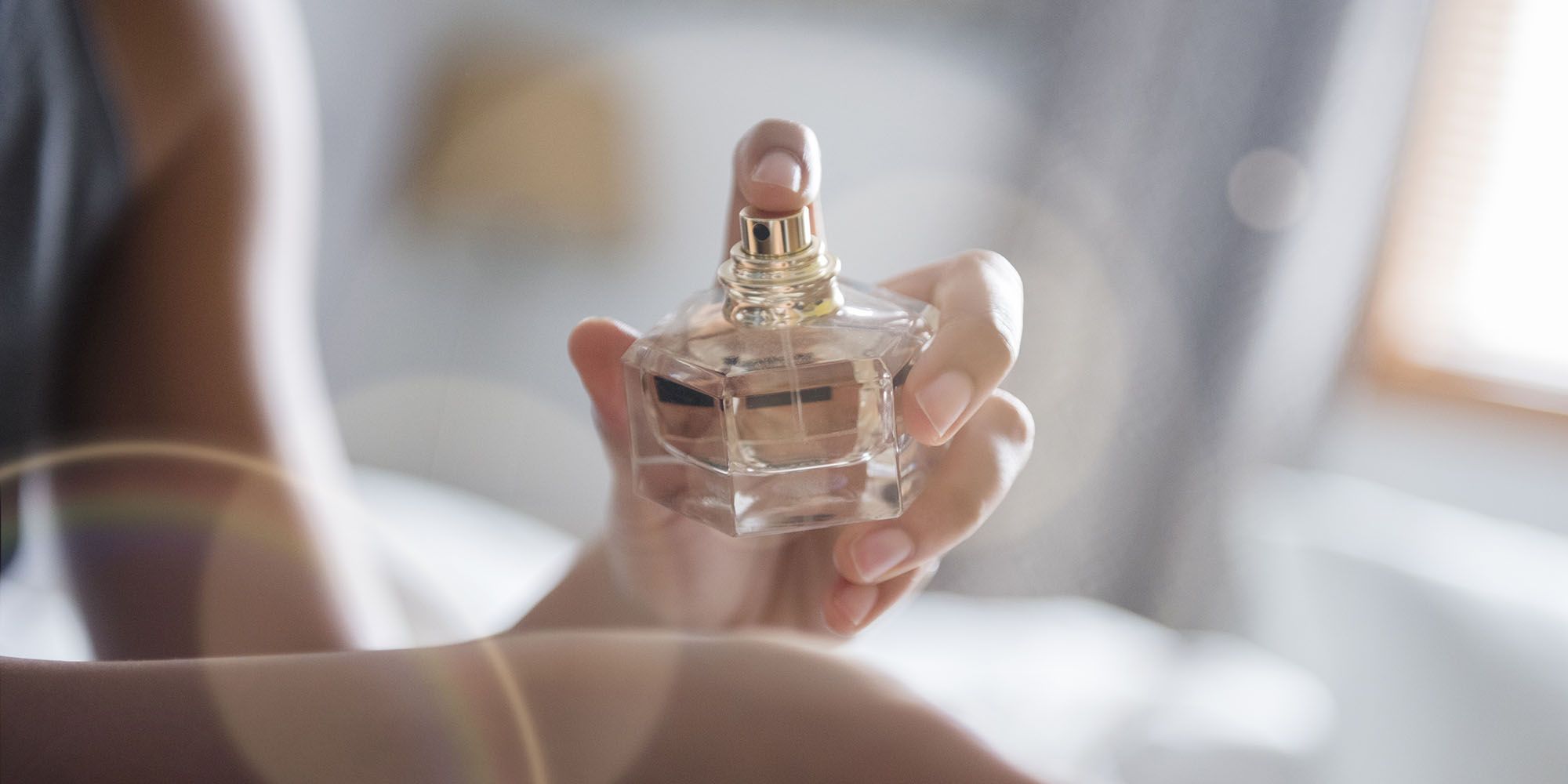
Fragrance is one of the most common ingredients in skincare products because it can mask the original smell of the cosmetic products and give consumers the good experience of putting on nice smelling products every day.
Although the fragrance is a blend of about average of 14 ingredients. Due to the Fair Packaging and Labeling Act of 1996, fragrance is considered a trade secret and companies are not required to release the ingredient list and therefore, it is often listed as fragrance or perfume in the ingredient list. This makes it hard for consumers to know the exact ingredients of the product.
Fragrance is harmful for the skin because the skin in sensitized when the scents are released, as this is often a volatile process. Majority of the ingredients that goes into making fragrances contains phthalates, which is a known hormone disrupting chemical. Fragrance is not only a skin sensitizer but also is one of the biggest causes of cosmetic contact dermatitis along with nickel and poison ivy.
The harmful side of fragrance may prompt people to go to clean beauty section in sephora and pick up fragrance-free labeled products. However, fragrance-free in many cases means that the companies have mixed in other ingredients to mask the smell of cosmetic and skincare products. Therefore, the best way to avoid synthetic fragrance is to use products that contain essential oil or natural fragrances.
Essential oil
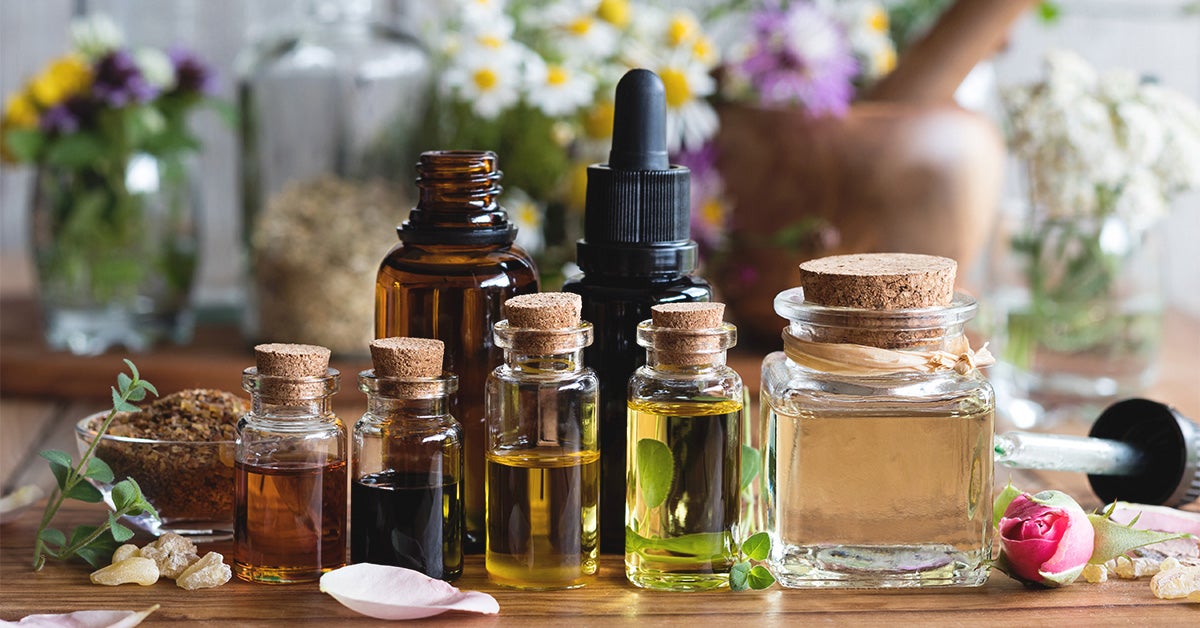
Essential oils are fragrant oils extracted from plant’s flowers, bark, leaves, roots and fruits.
As fragrance attracted negative attention, companies started replacing fragrance with essential oils to mask the original smell of the products. Some of these essential oils are beneficial for the skin, as they may be rich in antioxidants and contain antibacterial properties.
However, because essential oils also release fragrance through volatile reaction, some essential oils are equally skin sensitizing and irritating as the synthetic fragrances. Just because an oil is marketed as being beneficial in one aspect doesn’t mean that the oil isn’t harmful to the skin. For example, lavender oil, which is known for skin-calming properties, is also sensitizing due to the fragrance aspect of the oil. Any of the citrus and mint oils like lemon, lime, peppermint and wintergreen may also cause problems for any skin types. Therefore, if you intend to use essential oils to treat skin concerns, you should look for an alternative that does not contain the fragrance aspect.
 Vivid Cosmetics